The Fast Fix
Turn on low-balance alerts, opt out of debit card overdraft coverage, keep a small cash buffer, and consider a bank with no overdraft fees. Those four steps prevent most fees.
Table of Contents
- The Problem: Small Purchase, Big Fee
- What Is an Overdraft Fee?
- 8 Proven Ways to Avoid Overdraft Fees
- Overdraft, NSF and Overdraft Transfers: What’s the Difference?
- How One Bad Day Can Turn Into Several Fees
- What to Do Right After an Overdraft
- Checklist: Choosing a Fee-Free Bank Account
- Build a Buffer in 8 Weeks
- Real-Life Example: How Maria Stopped Paying Overdraft Fees
- Extra Tips for Irregular Income
- Myth vs Fact
- Plan Your Money So Overdrafts Don’t Happen
- FAQs
The Problem: Small Purchase, Big Fee
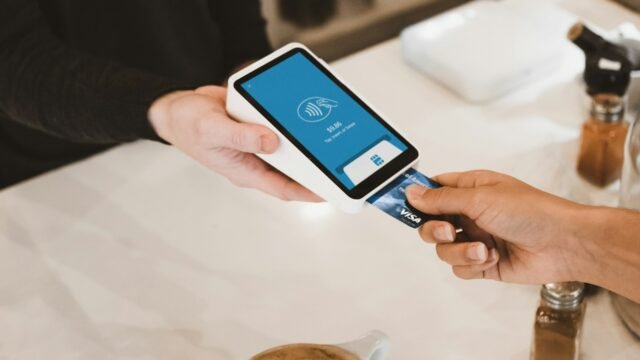
You buy a $4 coffee. Your account was $2 short. A few days later, you notice a fee of up to $35 at some banks. Now that coffee cost you $39. Worse, if several small purchases go through on the same day, some banks can charge a fee for each one.
Overdraft fees hit hardest when money is already tight. Let’s fix that.
What Is an Overdraft Fee?
An overdraft happens when you spend more than what’s in your checking account, and your bank covers the difference. The bank then charges you a fee for that “favor.” A related charge, the NSF (non-sufficient funds) fee, applies when the bank declines or returns a payment instead.
8 Proven Ways to Avoid Overdraft Fees
1. Opt Out of Overdraft Coverage for Debit Cards
In the US, banks must get your permission (an “opt-in”) before charging overdraft fees on ATM withdrawals and one-time debit card purchases. If you opt out, those transactions are simply declined, with no fee. Call your bank or check the app settings.
2. Turn On Low-Balance Alerts
Set a text or app alert for when your balance drops below $50 or $100. It’s free and gives you time to act.
3. Keep a “Buffer” in Your Account
Treat $100 as your zero. Never let your balance drop below it. This one habit prevents most surprise overdrafts.
Pro Tip
Can’t spare $100 yet? Build your buffer $10 at a time using ideas from how to save money on a low income.
4. Link a Savings Account for Overdraft Transfers
Many banks can automatically move money from your savings to checking when you’re short. Some do it for free; others charge a smaller transfer fee. Check your bank’s terms.
5. Time Your Bills Around Payday
Ask billers to move due dates to just after your payday. Fewer bills collide with a low balance.
6. Track Pending Transactions
Your “available balance” can differ from your “current balance” because of pending card charges. Always check what’s available, not just the bigger number.
7. Switch to a Bank With No Overdraft Fees
Many online banks, credit unions and even some large banks have reduced or eliminated overdraft and NSF fees. If yours still charges them, it may be time to move.
8. Ask for a Refund
If you get hit with a fee, call and politely ask for it to be waived, especially if it’s your first time. Banks often agree.
Watch Out
Repeated overdrafts and unpaid negative balances can lead a bank to close your account and report you to ChexSystems, which can make opening a new account harder for years.
Overdraft, NSF and Overdraft Transfers: What’s the Difference?
Banks use similar-sounding terms for different things. Knowing which is which helps you choose the cheapest option.
| Term | What Happens | Typical Cost |
|---|---|---|
| Overdraft fee | The bank pays the transaction and your balance goes negative | Can be up to around $35 per item at some banks |
| NSF / returned item fee | The bank refuses the payment and returns it | Varies; many banks have dropped it |
| Overdraft protection transfer | Money moves from your linked savings to cover the gap | Often free or a small fee |
| Declined transaction (opted out) | A debit card or ATM purchase is simply declined | Usually no fee |
How One Bad Day Can Turn Into Several Fees
Here’s a real-world style example of how fees can stack up. Imagine your balance is $60 and these transactions post on the same day:
- Phone bill: $45 → balance $15
- Coffee: $5 → balance $10
- Groceries: $40 → balance −$30 (fee)
- Lunch: $12 → balance −$42 (another fee)
- Streaming subscription: $10 → balance −$52 (another fee)
If the bank charges $35 per overdraft, that’s three fees, or $105, on $62 of small purchases. Some banks limit the number of fees per day or don’t charge for small overdrafts, but many people only learn their bank’s rules after getting hit.
Pro Tip
Look up your bank’s fee schedule and find three numbers: the fee per overdraft, the maximum fees per day, and any “no fee” threshold (such as overdrafts under $50). Knowing these protects you from surprises.
What to Do Right After an Overdraft
Act fast. The sooner you fix it, the less it costs.
- Stop using the card until your balance is positive again.
- Move money in immediately from savings or another account.
- Check for a grace period. Some banks waive the fee if you bring the balance back above zero by the next business day.
- Call and ask for a refund. Be polite and mention if it’s your first overdraft in a long time.
- Find the cause. Was it a forgotten subscription, a timing problem, or a pending charge? Fix the root cause so it doesn’t repeat.
Checklist: Choosing a Fee-Free Bank Account
- No overdraft fees and no NSF fees
- No monthly maintenance fee, or an easy way to waive it
- Free low-balance alerts by text or app notification
- Free automatic transfers from a linked savings account
- Large free ATM network
- Deposit insurance (in the US, FDIC for banks or NCUA for credit unions)
- Early direct deposit, which can help if your pay timing is tight
Build a Buffer in 8 Weeks
A $100 to $200 cushion in checking prevents most overdrafts. Here’s an easy way to build it without feeling the pinch:
| Week | Set Aside | Buffer Total |
|---|---|---|
| 1–2 | $10 per week | $20 |
| 3–4 | $15 per week | $50 |
| 5–6 | $20 per week | $90 |
| 7–8 | $25 per week | $140 |
Once your buffer is in place, treat it as untouchable. If you dip into it, refill it with your next paycheck.
Real-Life Example: How Maria Stopped Paying Overdraft Fees
Maria (an example case) was paying around $70 a month in overdraft fees, mostly from small card purchases a day or two before payday. Here’s what she changed:
- She opted out of debit card overdraft coverage, so small purchases were declined instead of costing $35.
- She moved her phone and streaming bills to two days after payday.
- She turned on an alert for any balance under $75.
- She built a $150 buffer over two months using the plan above.
Within three months, her overdraft fees dropped to zero. That’s $840 a year back in her pocket, which she now puts toward her emergency fund.
Extra Tips for Irregular Income
If you’re a freelancer, gig worker or paid by commission, overdrafts often happen because money arrives at unpredictable times. Try these habits:
- Keep a bigger buffer, ideally one month of bills, in checking.
- Pay yourself a fixed “salary” from a separate holding account every two weeks.
- Set bills to auto-pay only after your most reliable income date.
- Check your available balance before every larger purchase.
Myth vs Fact
| Myth | Fact |
|---|---|
| Overdraft coverage is always automatic. | For ATM and one-time debit card purchases in the US, you must opt in. |
| Overdrafts hurt your credit score. | Overdrafts aren’t reported to the credit bureaus, but unpaid balances sent to collections can be. |
| You can’t get a fee refunded. | Many banks waive fees on request, especially for loyal customers. |
| Only big purchases cause overdrafts. | Small, frequent purchases are among the most common causes. |
Plan Your Money So Overdrafts Don’t Happen
The real long-term fix is a simple budget. The 50/30/20 budget rule helps you see exactly where your money goes before the month starts.
Good to Know
Protecting your checking account also protects your credit. If you’re paying a credit card from your bank account, a returned payment can lead to late fees. Learn the right habits in how to build a credit score from zero.
FAQs
How much is a typical overdraft fee?
It varies by bank. Some charge nothing, while others charge up to around $35 per item. Check your bank’s fee schedule.
Can I overdraft at an ATM?
Only if you’ve opted in to overdraft coverage. If you haven’t, the withdrawal is usually declined.
Do overdraft fees go away on their own?
No. You must bring your account back to a positive balance. Some banks give you a short grace period to do this without a fee.
Can a bank close my account for overdrafts?
Yes. Frequent overdrafts or a negative balance left unpaid for a long time can lead a bank to close your account.
Is it better to opt out of overdraft coverage?
For many people, yes. Opting out means a debit card purchase is declined instead of costing you a fee. It may feel awkward at the checkout, but it protects your money.